
Internship Opportunities for Young Professionals
Internships can be the quickest way for a young professional to turn classroom knowledge into proof of ability. A decent placement gives you current workplace experience, sharper judgement and a clearer picture of which sector suits you best.
Key takeaways
- Choose internships that give you practical tasks, not just observation.
- Search through university portals, employer sites and niche job boards.
- A strong placement should be paid, structured and relevant to your goals.
- Apply with evidence of skills, not vague claims of enthusiasm.
- Use the internship to build experience you can carry into your next role.
What internships actually do for early-career candidates
An internship sits between study and a first graduate role by giving you supervised, real-world work before you commit to a full career track. For UK readers, that bridge matters because employers often want evidence that you can learn on the job, not just pass exams or complete assignments.
That matters because early-career hiring is often about evidence, not promises. If you have already handled admin, reporting, client contact or technical tasks in a structured setting, you can point to work you have actually completed rather than saying you are keen to learn in the abstract.
The strongest placements do two things at once. They build practical skill and they let you test a sector, whether that is audit, tax, engineering, data or tech, before you commit to a longer route such as a graduate scheme.
A useful way to judge an internship is to ask whether it offers on-the-job training, supervision and a clear learning outcome. UK candidates should also check whether the role is tied to a university, employer or sector body, because that usually means the placement has been designed with training in mind, not just short-term labour.
A good internship should leave you with four concrete outcomes: practical skills you can name, sector insight you can explain, stronger CV content and a better idea of your next step. If it gives you none of those, it has probably cost you time without moving your career forward.
Where to look for internships and how to search efficiently
| Channel | Best use | What to watch for |
|---|---|---|
| University career portals | Current roles linked to your course or campus network | Listings can be narrow, so check them often and filter by sector and start date |
| Career centres and employer-facing hubs | Placements that are relevant to your degree or career goal | Look for named employer contacts and clear application deadlines |
| Specialist job boards | Broader searches across location and role type | Use filters to avoid irrelevant or expired posts |
| Employer websites | Direct access to scheme details and entry requirements | Check whether the page shows structured duties and a defined duration |
| Internships.com | Search automation, custom application help and alumni referral connections | Useful if you want matching support rather than manual browsing |
A smart search starts with the channels most likely to give fresh, relevant listings. In the UK, that usually means university careers services, employer websites, graduate recruitment pages and sector-specific boards, because those sources are more likely to show whether a placement is formal, paid or linked to a department such as audit, tax or software.
Internships.com, from Chegg, is useful if you want your search to work a bit harder for you. It can automate matching, customise applications and connect you with alumni who may refer you, which helps when you are applying to several roles at once. Internships.com
Sector-specific sources matter too. NASA lists two major student routes, the Office of STEM Engagement internships and Pathways Internships, and the useful lesson for UK readers is the structure, not the location: look for programmes with a defined route, clear supervision and named entry points rather than vague work experience. NASA
If you are targeting a specific industry, search through university career pages and employer-led recruitment pages together rather than relying on one source alone. Colorado State University’s Career Management Center highlights an internship at Forvis Mazars that helps candidates decide whether audit or tax is the better fit, which is a good example of a role description that tells you what the placement is for, not just what the employer wants. Colorado State University Career Management Center
Specialist boards can also speed up the hunt. Built In Colorado updates internship listings daily for Denver and Boulder, which shows how niche platforms surface live opportunities quickly. For UK candidates, the practical lesson is to filter by sector, location, start date and role type so you are comparing like with like instead of browsing randomly. Built In Colorado
How to judge whether an internship is worth applying for
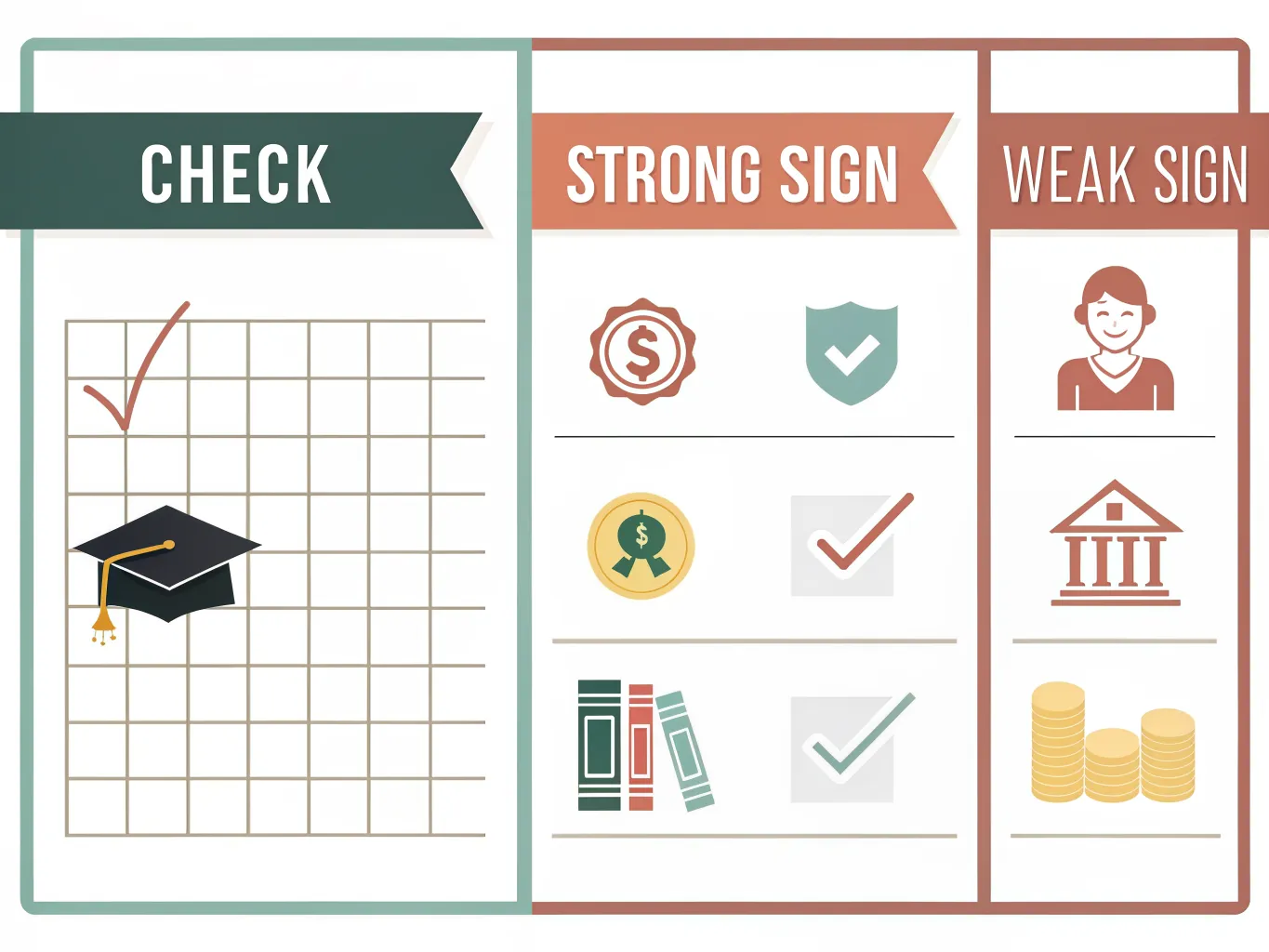
| Check | Strong sign | Weak sign |
|---|---|---|
| Pay | A clear stipend or wage is stated | Compensation is hidden or absent |
| Structure | Defined duties, supervision and feedback | Vague “support” work with little direction |
| Learning | Named skills, tools or outcomes | No mention of what you will learn |
| Relevance | Connects to your target sector or next job | Looks interesting but does not build useful evidence |
| Practical cost | Travel, location and duration are manageable | Commute or relocation costs wipe out the value |
The first quality test is whether the internship is paid and properly structured. A paid placement is not automatically better, but it is easier to justify if it involves real responsibility and a clear schedule, because that usually suggests the employer has planned supervision rather than simply looking for cheap labour.
You should also check whether the work matches your direction. A role in audit may suit someone exploring accountancy, while a tech placement with a startup may build product, data or support experience; both can be useful, but only if they fit the story you want your CV to tell later.
Ask a simple question: if I completed this placement, what would I be able to claim that I cannot claim now? If the answer is only that you attended meetings and shadowed staff, keep looking. If the answer includes tools used, tasks delivered and feedback received, you are probably looking at a better option.
The University of Denver Career & Professional Development team points to the value of internships in improving employability, and that is exactly why quality matters more than volume. One strong placement can do more for your job search than several weak ones. University of Denver Career & Professional Development
Practical checks matter just as much as the job title. Confirm the duration, location, travel costs and whether the role expects you to do routine admin, project work or technical tasks, because these details affect both the learning value and the burden on your wallet.
How to apply with a stronger chance of success
- Tailor your CV and cover letter to each role. Use the employer’s wording where it fits, but keep the content specific to your own experience and avoid copy-and-paste applications.
- Pull evidence from part-time work, volunteering, coursework and projects. If you have not held a formal internship before, show that you can learn quickly, meet deadlines and work with others.
- Mirror the job description carefully. Mention relevant tools, software, methods or sector knowledge so the recruiter can see a direct match without feeling that you have forced it.
- Complete online profiles properly and follow every instruction. If a platform offers matching tools, alumni connections or custom application support, treat those as part of the application rather than optional extras.
- Proofread for plain errors. A neat application signals care, and care matters in sectors where detail is part of the job.
A stronger application is usually more focused, not more dramatic. Start with the role, then build your evidence around what the employer actually asked for, because generic enthusiasm rarely beats a well-matched profile.
If a platform helps with alumni referrals or application customisation, use it properly. That support is there to improve fit, but it only works if your profile is complete and your documents are clear enough for another person to recommend you confidently.
How to turn an internship into long-term career value
The value of an internship is greatest when you capture it properly before the memory fades. Write down the tasks you handled, the tools you used, the problems you solved and any feedback you received while the placement is still fresh.
Ask for something you can use later, such as a reference, a LinkedIn recommendation or a completion certificate if the employer offers one. Keep a clean record of outcomes, because the strongest interview answers usually come from details you documented at the time rather than from what you think you might remember six months later.
This is also where a placement becomes a decision-making tool. A short experience in audit may show you that the pace suits you; a tax placement may reveal that you prefer technical analysis; a STEM internship may confirm that you enjoy structured problem-solving more than client-facing work. Real exposure is often the quickest way to rule options in or out.
When you apply for graduate roles, that evidence should carry weight. Instead of saying you are interested in a sector, you can explain what you did, what you learned and how you handled pressure, which makes your next application feel grounded rather than hopeful.
The best internship strategy is deliberate. Search in the right places, judge the work properly, apply with precision and then turn the placement into proof that you can contribute in a professional setting. That is what moves an internship from a short stint to a credible career step.
Frequently asked questions
Are internships worth it for young professionals?
Yes, if they give you real tasks, supervision and material you can point to in future applications. The best placements help you turn classroom knowledge into evidence of ability, while also showing you which sector actually suits you before you commit to a longer path such as a graduate scheme.
Should I only apply for paid internships?
Paid roles are usually the best option, but an unpaid placement can still be worth considering if it is properly structured and gives genuine training. The key test is whether you will come away with practical skills, sector insight and stronger CV content, rather than just time spent observing.
What makes a good internship application?
A strong application is targeted: a CV and cover letter tailored to the role, plus examples that show you can learn quickly and contribute from day one. If the internship is tied to a clear field, such as audit, tax or tech, make that fit obvious in the way you present your experience.
Where can I find internship listings quickly?
Start with university career centres and employer websites, as they often have the freshest and most relevant openings. Specialist platforms such as Internships.com can also speed things up by helping you match roles and manage multiple applications more efficiently.
How long should an internship be?
There is no single perfect length, but it should be long enough to give you meaningful responsibility, practical skills and something solid to add to your CV. In most cases, that means several weeks to a few months rather than a very short shadowing stint that leaves you with little to show for it.